






MENU

The Science of Perception: Why Emotion Sells What Numbers Can’t in Property Marketing

TCL Blog Cover -The Science of Perception in Property Marketing

Expert Insight Series — The Collaborative London

By Soheil Aarabi, Head of Brand & Marketing 

Rethinking How We Sell Space

In property marketing, numbers have long taken centre stage: 

  • Price per square foot, 
  • Yield, 
  • Completion dates, 
  • Rental potential 

Yet neuroscience tells us that human decision-making doesn’t start with numbers. It starts with emotion. 

At The Collaborative London, our approach is to reframes how we communicate property. Instead of positioning a home as a collection of finishes and figures, we present it as an experience worth investing in.  

As explored in our previous work, neuroscience shows that perception begins before logic. Emotional and sensory cues: light, sound, materials, even scent, responses shape how a space is understood, long before it is analysed.  

The question is no longer whether this is true. It is how deliberately we apply it. 

That insight has quietly reshaped how global brands communicate. But in property market (particularly in the luxury segment) its potential remains largely untapped. 

The Brain Behind the Buyer

Daniel Kahneman, the Nobel laureate known for Thinking, Fast and Slow, described two systems in the brain: 

  • System 1 — intuitive, emotional, fast. 
  • System 2 — analytical, logical, deliberate. 

System 1 drives most of our daily decisions. That means even high-net-worth, data-driven buyers respond first to how a space makes them feel, not to its spreadsheets. 

When a home triggers an emotional connection, the brain releases dopamine and oxytocin; the same chemicals tied to trust, memory, and attachment. That’s why a perfectly lit hallway, a balanced material palette, or the rhythm of a floor plan can be more persuasive than any brochure statistic. 

From Concept to Application

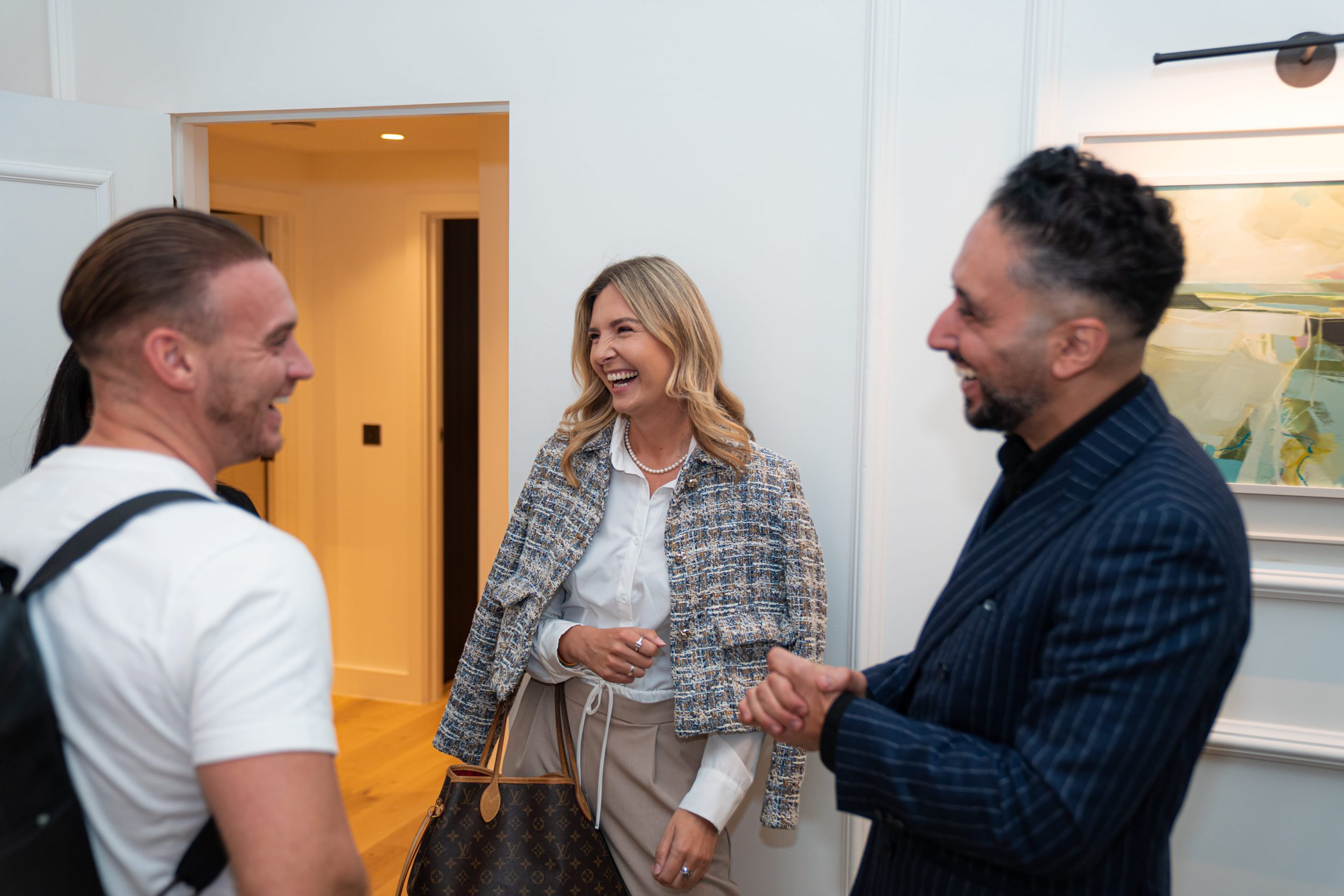
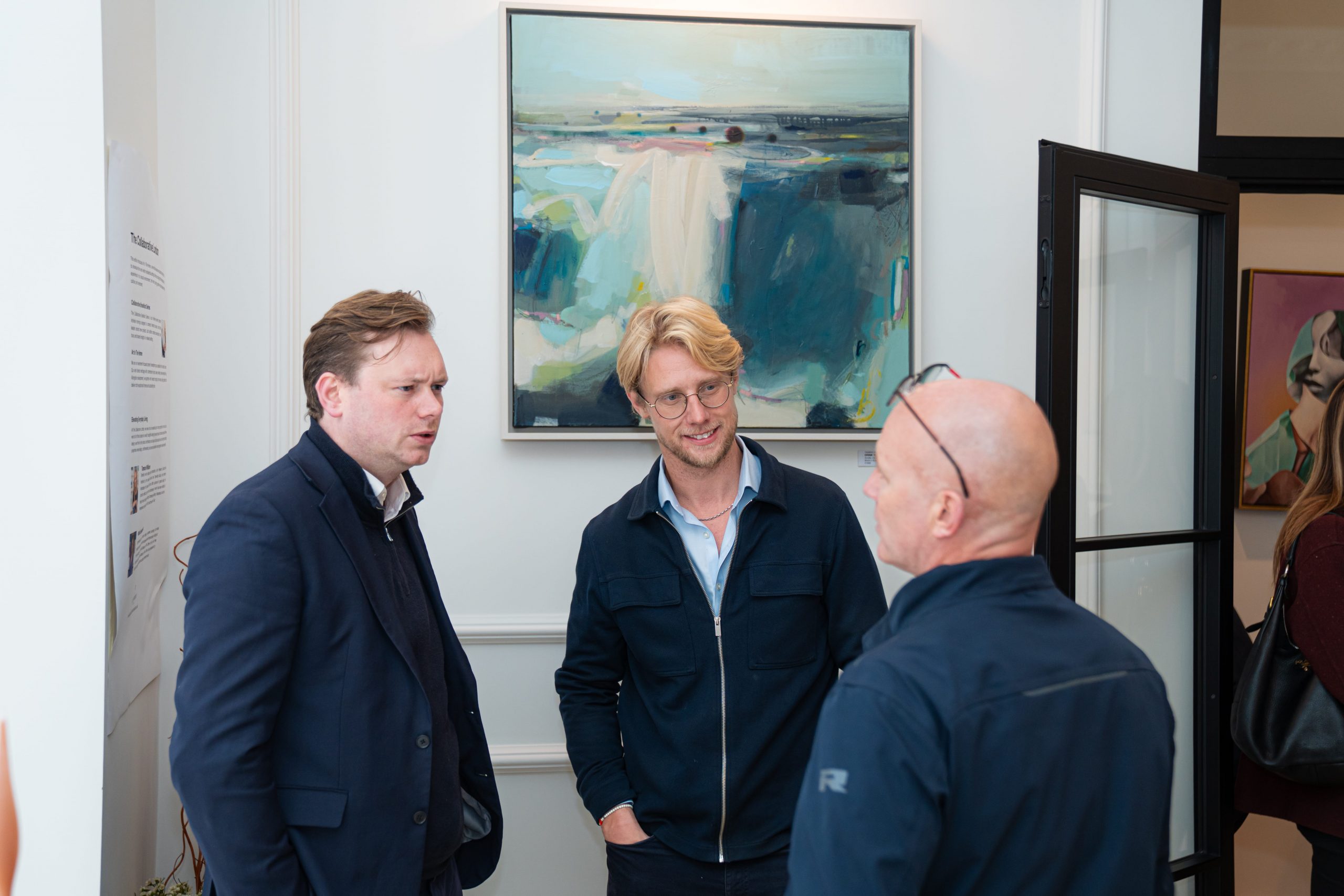
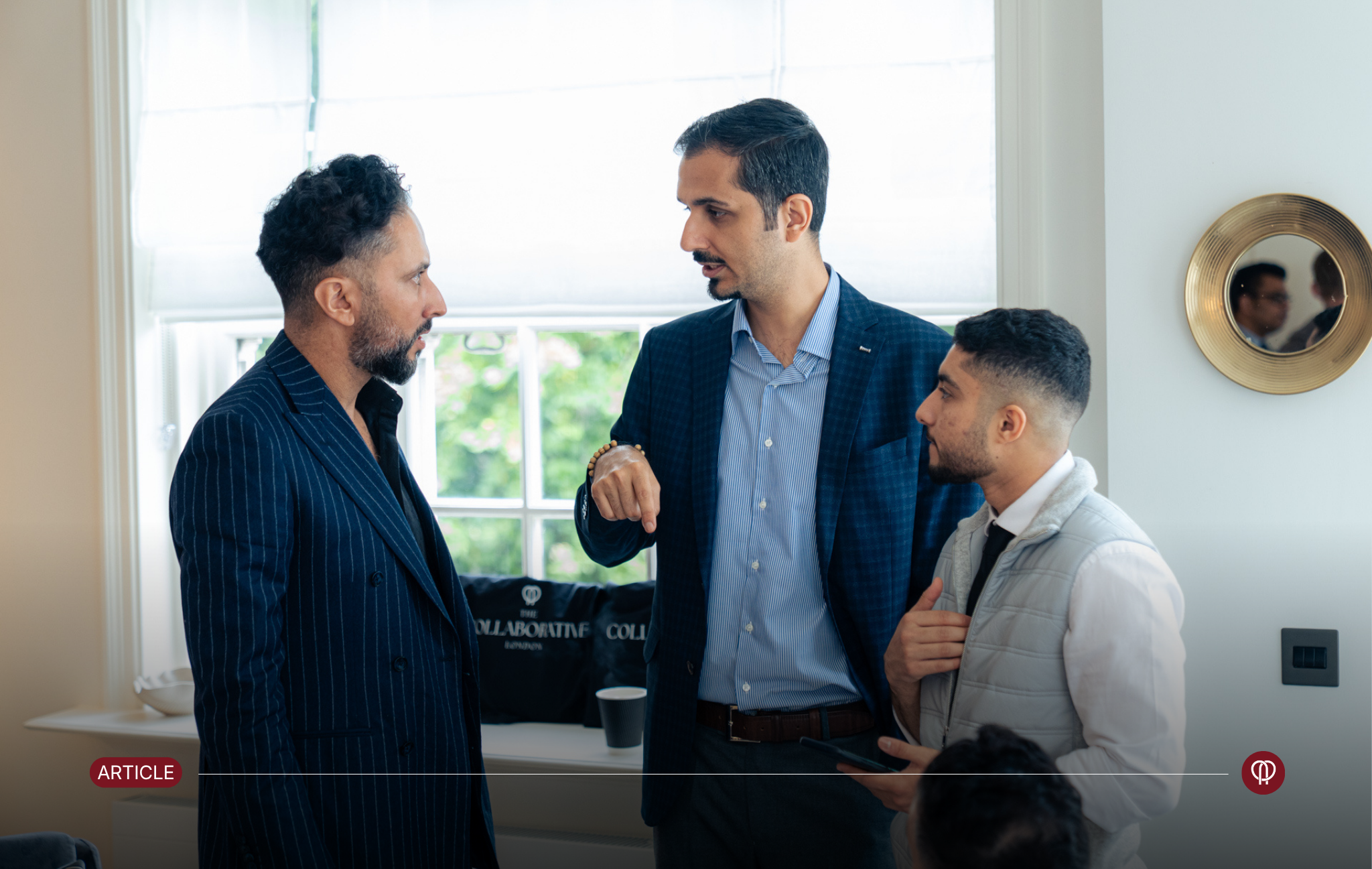
Abu Saraj, Soheil Aarabi and Shavan Abkho at The Collaborative London Event

At The Collaborative London, this thinking is not theoretical. It is integrated into how we approach both development and marketing. 

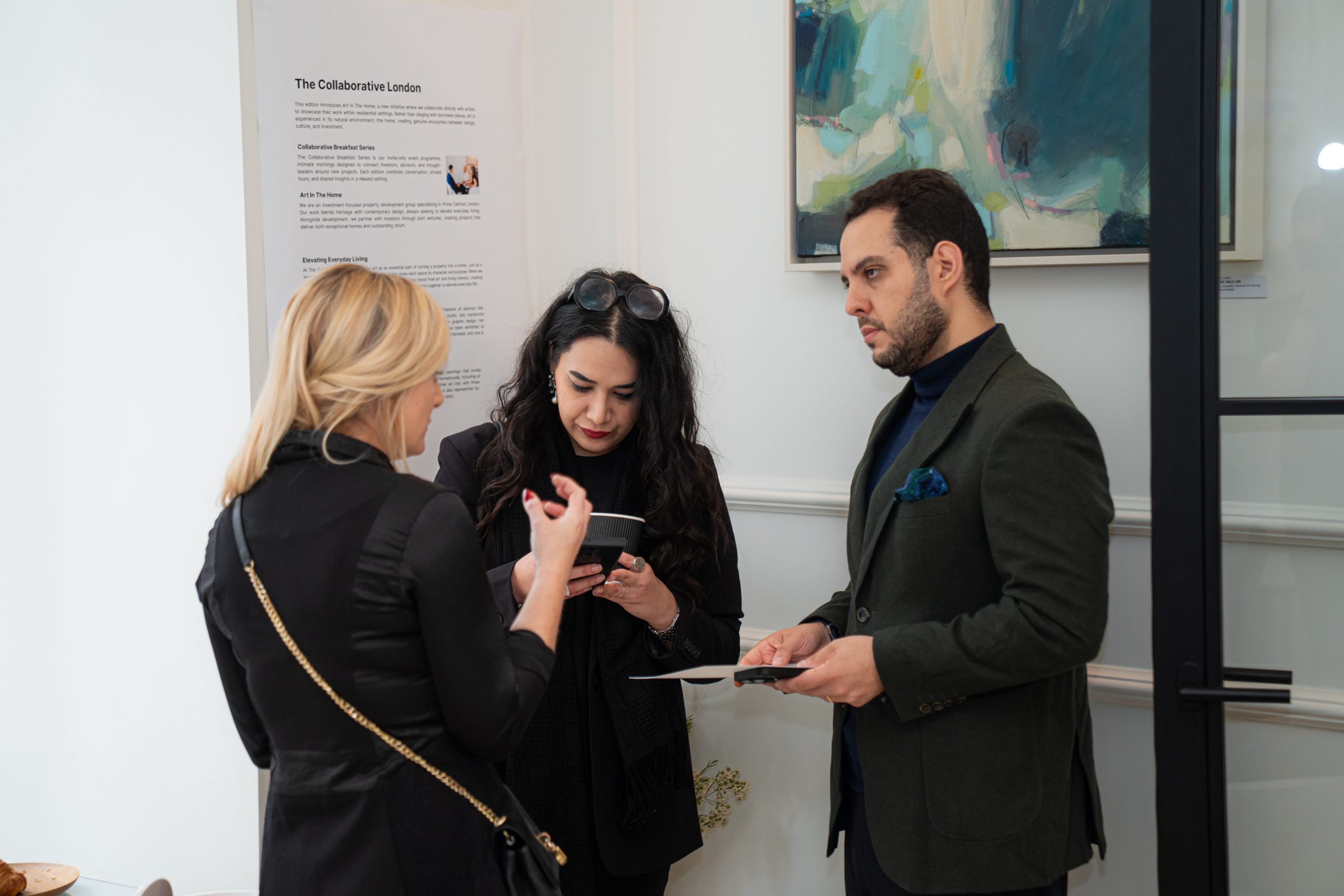
Our recent Collaborative Breakfast series provides a practical lens into this shift. 

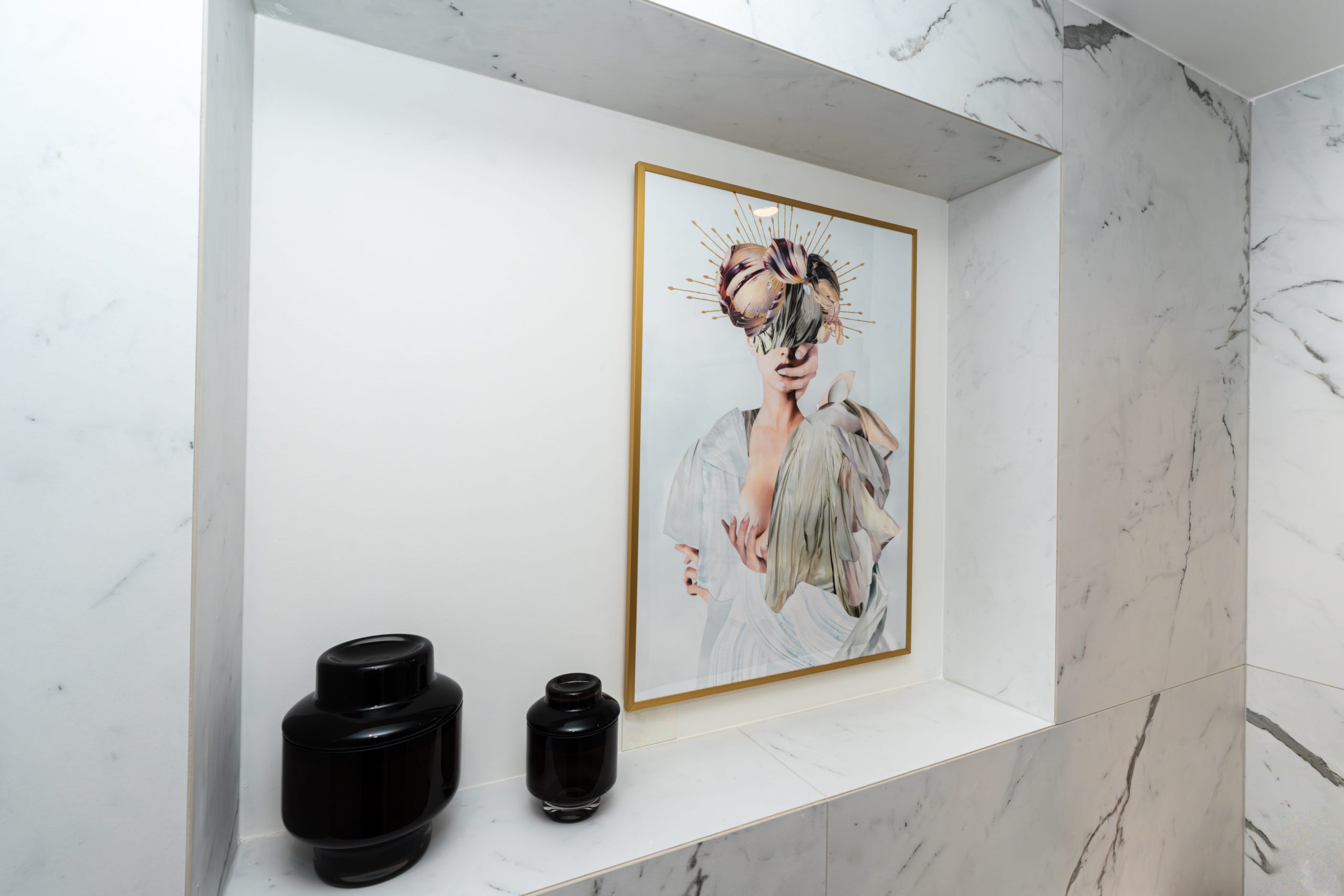
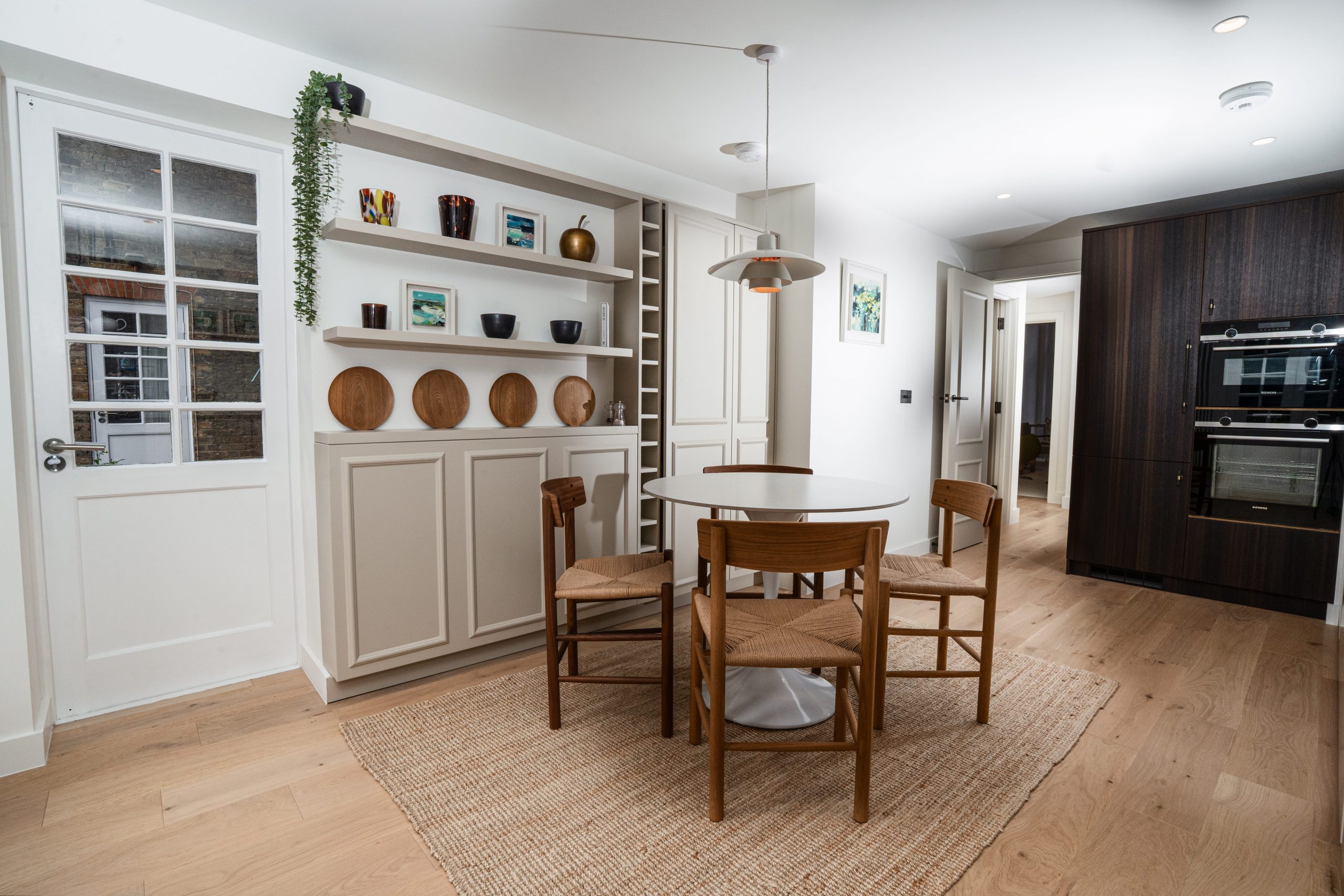
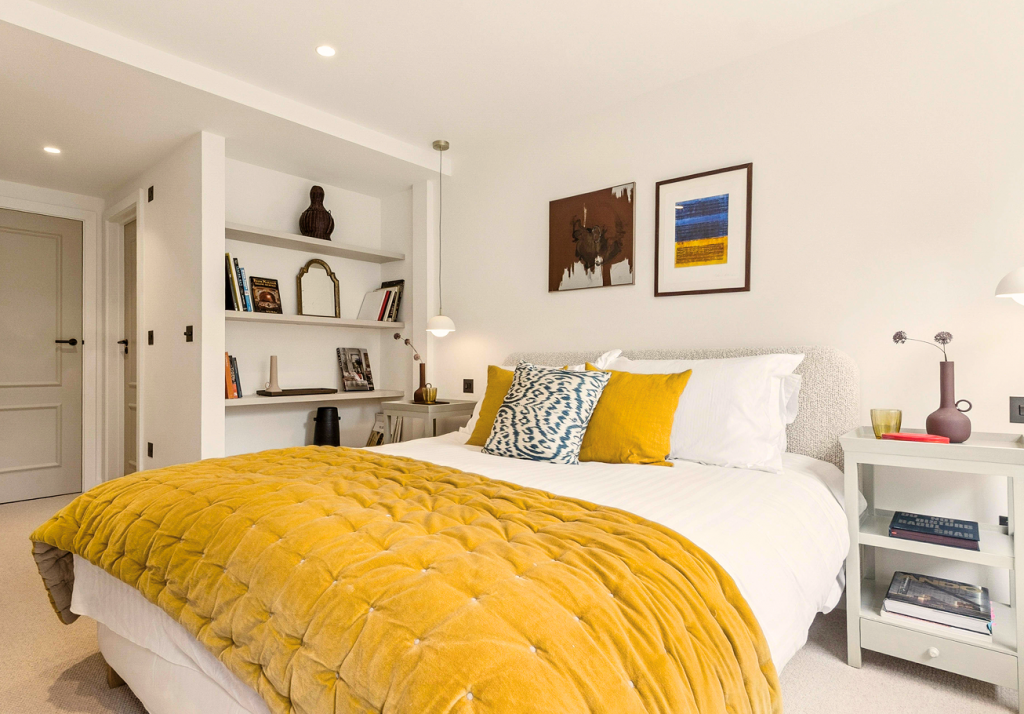
In Chelsea event, we explored the idea of Art in the Home; introducing curated artworks into a residential setting to transform a viewing into an experience. 

The response was immediate. Guests did not describe the property through specifications, but through how it felt.This validated a simple but powerful premise: 

"Perception is not a by-product of marketing. It can be designed."

The Marylebone Evolution: Context as a Value Driver

In our most recent Marylebone project, this approach evolved further. 

Rather than introducing art as an enhancement, we considered: 

  • the architectural identity of the building  
  • the historical context of the Portman Estate  
  • and the cultural narrative of the area  

The result was a more integrated experience. 

An Art Deco–influenced artistic collaboration was selected to align with the building’s character. 
A London urban storyteller was invited to bring context to the location; not as decoration, but as interpretation. 

This shifted the experience from: 

  • “a well-designed apartment” 
    to  
  • “a space connected to place, history, and identity.”  

Why This Matters Strategically

For developers and investors, this is not about aesthetics. It is about how value is perceived and therefore realised. 

In Prime Central London, where: 

  • assets often share similar specifications  
  • and buyers are highly sophisticated  

differentiation rarely comes from product alone. It comes from positioning. 

When a property is experienced as: 

  • coherent  
  • contextual  
  • and intentional  

the perception of quality, trust, and desirability increases. This is not subjective. It aligns with how decision-making works. 

A Marketing Perspective. Not a Styling Exercise

This approach is often misunderstood as aesthetic enhancement. It is not. 

From a brand and marketing perspective, this is about applying structured thinking to how a space is perceived, interpreted, and remembered. 

The use of art, narrative, and context is intentional. It draws directly from principles in behavioural science and neuroscience; how the brain processes environment, forms emotional associations, and builds memory. 

From my perspective so far, for the London property market, where audiences are highly informed and often exposed to similar product standards, this layer becomes increasingly important. 

Because when differentiation at the product level narrows, 
perception becomes the deciding factor. 

These principles are part of a broader approach to brand and experience marketing in property. 

"In practice, this means designing not just the physical outcome, but the experience around it"

Beyond the Viewing: Designing for Memory

One of the most notable outcomes from both Chelsea and Marylebone was not transactional. It was behavioural. 

Guests: 

  • stayed longer  
  • engaged more deeply  
  • and formed stronger associations with the space  

This reflects a key principle from neuroscience: 

Memory is shaped by emotion and context, not information alone. 

A well-presented property may be admired.  
A well-experienced property is remembered

Translating Neuroscience to Property Marketing 

In property market, in a mature and competitive market like Prime Central London, where rational metrics often blur, this means moving beyond visual appeal into contextual experience. Every space should answer a deeper question:

How will someone feel living here? 

Luxury is no longer defined purely by cost or exclusivity. It’s defined by how something makes you feel about yourself. 

When marketing integrates design, storytelling, and sensory coherence, it creates trust and resonance.

  • Contextual priming: presenting art, objects, or scents that evoke “home” helps buyers imagine themselves there. 
  • Sensory coherence: when textures, tones, and lighting align, the brain perceives harmony and authenticity. 
  • Narrative engagement: stories trigger mirror neurons, allowing audiences to experience ownership emotionally before deciding rationally. 

Final Thought

Property development has always been about creating value. What is changing is how that value is communicated, perceived, and ultimately realised. 

When design, context, and experience are aligned intentionally, we move beyond selling space. We create environments that resonate. And in a market defined by sophistication and choice, that difference matters. 

By Soheil Aarabi — Head of Brand & Marketing at The Collaborative London 

Author

Share:

More Posts